Blog
I Got on a Call With One of the Fathers of the Internet
- Published
- Read
- 3 minutes
- Topic
Digital preservation
AI
- Role
- Software developer
The Call
Well, one of the dads. Virtually. At 2am my time.
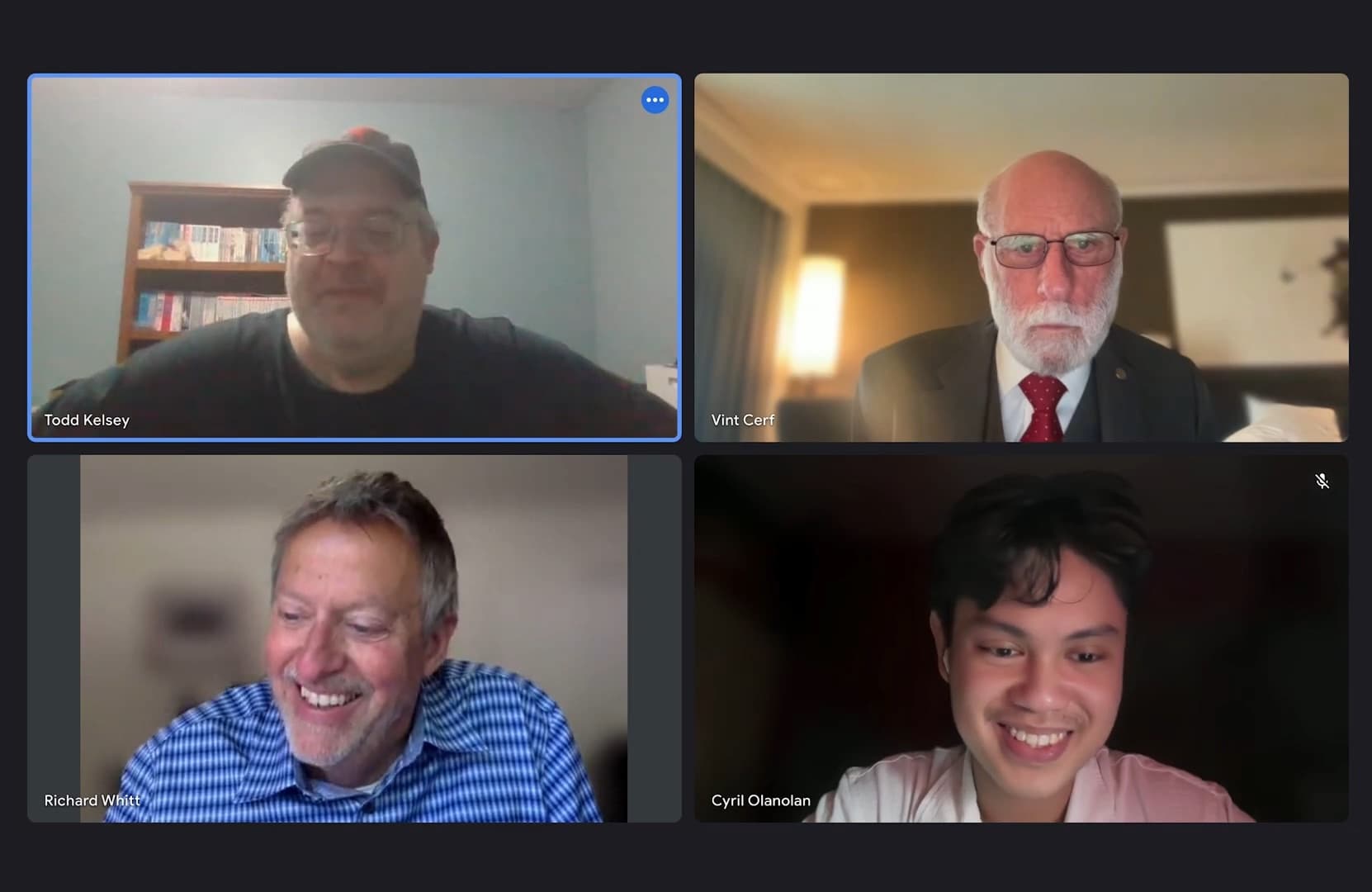
I still cannot fully believe I got to talk to Vinton Cerf himself.
Who Vint Is, For The Non-Techies
He co-designed the thing every message you send rides on.
TCP/IP is what lets computers anywhere in the world talk to each other. Vint co-designed it. He is currently VP and Chief Internet Evangelist at Google.
I studied him as a freshman. Out of a textbook. And now we were on a call together, talking like adults, about where technology goes next. How did that happen?
Why We Were On The Call
Storing data is easy. Keeping it readable is not.
Todd had an idea: what if people could actually own and collect their own data, and keep it long enough that it outlives them? Not just backed up. Kept. Something your family could still open decades from now, or that you could look back on yourself.
The more we brainstormed, the more the hard part showed itself. That hard part is the one Vint has been warning about for years. He calls it the digital dark age. Think about what we have already lost. Formats nobody can open. Discs nobody has a drive for. Software that will not run on anything made this decade. The bits are technically still there, and they might as well be gone.
His answer is a concept he calls Digital Vellum. Vellum lasted a thousand years because you only needed eyes to read it. Digital Vellum is the idea that we need the same for digital things: not just the file, but whatever it takes to still interpret the file later.
Through Todd, I got connected to the person who coined the term. And I got to be in that conversation.
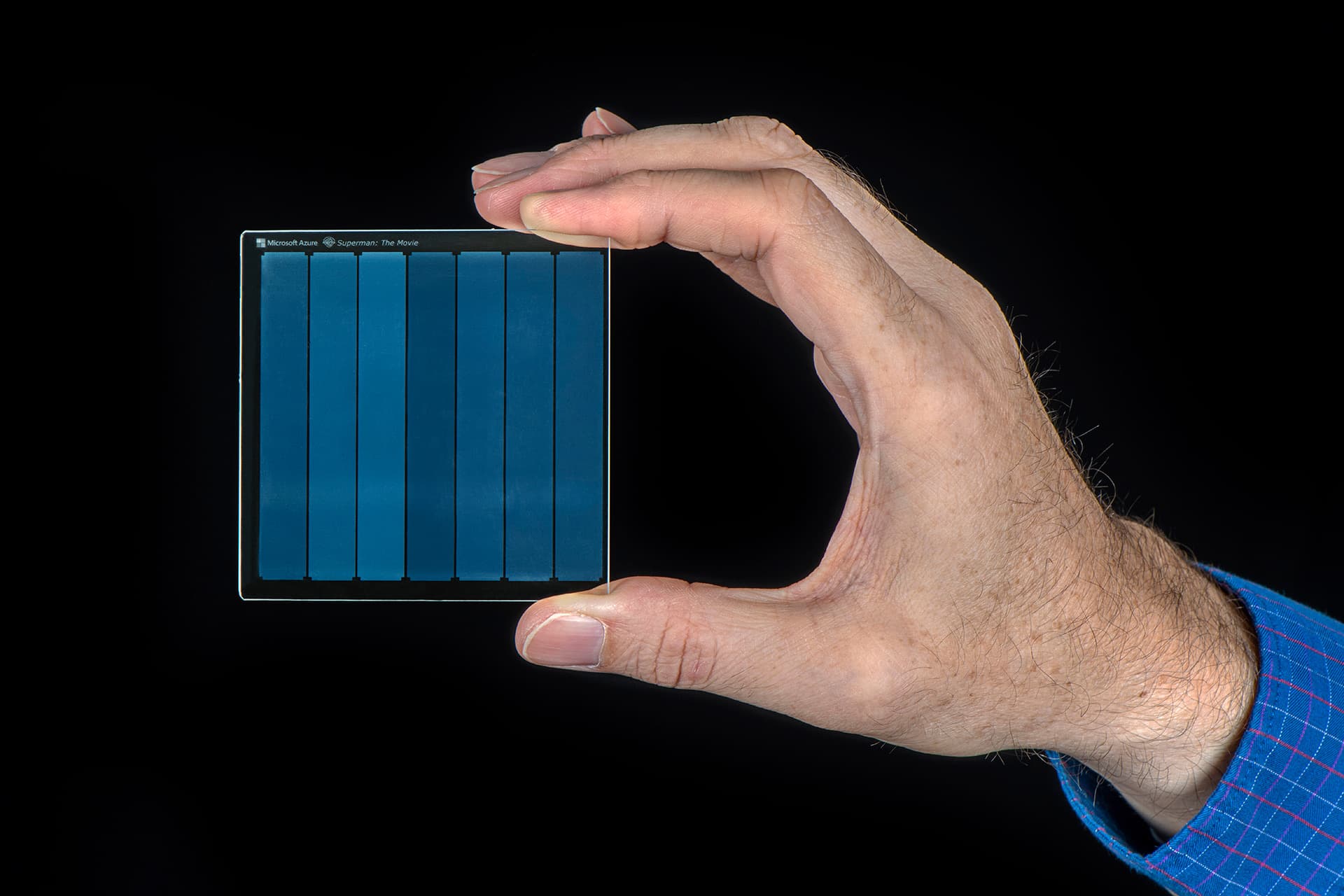
Microsoft's Project Silica stores data in quartz glass, rated to last thousands of years. It is one of the efforts working the same problem from the hardware side.
What I Was Actually Doing There
You do not get to be vague with Vint Cerf.
Four of us were on that call. Three of them high-level executives. Then me, the only developer in the room.
My job was the technology. What is buildable today, what is not, what AI can realistically do for preservation, and where it is still hand-waving. Where the idea meets the actual constraints of shipping software.
I cannot say much about the project itself yet. What I can say is that I was the one answering the technical questions, and I was answering them in front of the person who helped start all of this.
What I Took From It
Big problems are mostly plain questions.
The conversation was not theoretical. It was “what happens when nobody can open this file”, asked seriously. That is it. The hardest problems in tech usually sound simple out loud.
The people who built this are still asking questions.
He has been at this for fifty years and he is the one worrying about what we are going to lose. Nobody on that call was acting like they had it figured out.
Being the person who can answer is the whole job.
I was not in that room because of a title. I was there because someone needed a developer who could say what was real and what was not, and I could.
Where I'm Pointing This
Not AI bolted on. AI aimed at a fifty-year problem.
I am a software engineer moving deeper into AI, and this is exactly the kind of work I want more of. Preservation is a good problem to care about. Everything we are making right now is at risk of becoming unreadable, and most people will not notice until it has already happened.
I have been having a year. There is a lot more to build.
And yes, I stayed up until 2am for this one. Worth it.